Teaching children to understand money, ideas, and their own potential
Project Uron runs activity-based workshops in financial literacy, entrepreneurship, and life skills for children in underserved communities — led by students and young professionals who volunteer their time.
- Children reached
- 600+Children reached
- Workshops delivered
- 20+Workshops delivered
- Schools & NGOs
- 8+Schools & NGOs
- Student volunteers
- 40+Student volunteers
The skills that decide a child's future are rarely on the syllabus
Most children leave school without ever being taught how money works — how to save, what borrowing really costs, or how a small idea becomes something that supports a household. For children in underserved communities, that gap compounds fastest.
Project Uron closes it with hands-on workshops rather than lectures. Every session is run by students and young professionals — close enough in age to be believed, and close enough to the material to teach it well.
Vision
To create a generation of financially aware and entrepreneurial young people from underserved communities who can make informed decisions, solve real problems, and build sustainable futures.
Mission
Equip underprivileged children with practical financial literacy, entrepreneurship, and life skills through engaging, activity-based workshops led by students and young professionals.
What we teach
- 01
Financial literacy
Earning, saving, budgeting, and the real cost of borrowing — taught through games, simulations, and decisions children actually recognise from home.
- 02
Entrepreneurship
Spotting a genuine need, testing a small idea, pricing it honestly, and learning what to do when it does not work the first time.
- 03
Life skills
Goal setting, negotiation, communication, and the confidence to ask questions — the habits that make the other two pillars stick.
- 01
We partner with a school or community centre
They know their children best. Together we agree the age group, the schedule, and which pillars to prioritise.
- 02
Volunteers are trained on the material
Students and young professionals rehearse each activity before they teach it, so sessions run on confidence rather than a script.
- 03
Children learn by doing, not listening
Every concept arrives as an activity — a budget to balance, a stall to price, a decision with consequences attached.
- 04
We measure what actually changed
Short before-and-after checks on each pillar tell us which activities land and which need rebuilding for the next cohort.
What a session actually looks like
Floor mats, workbooks, and a room full of concentration. Every photo here is from a real workshop with a partner school or NGO.
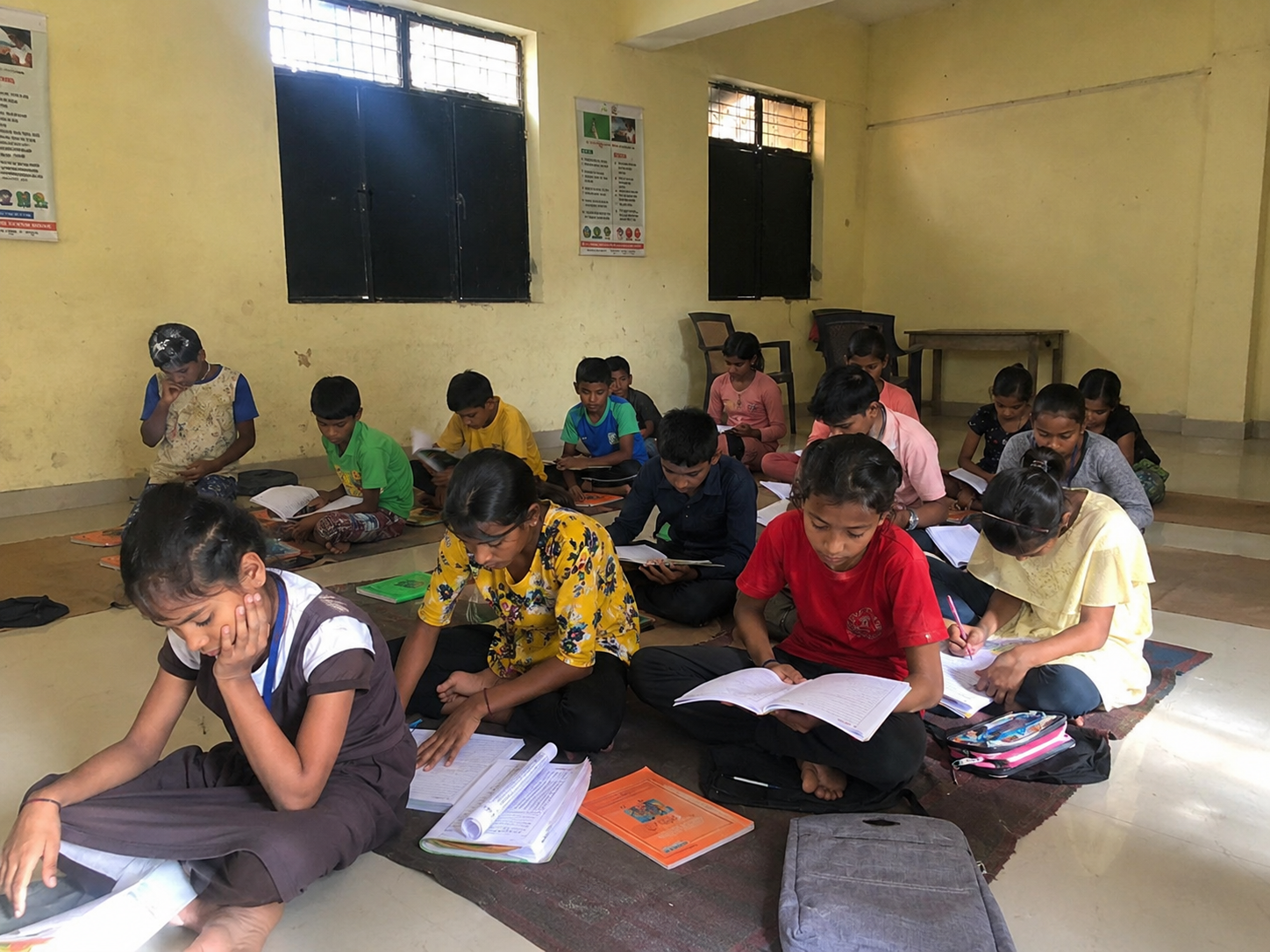
A full room working through the workbook
Why I started Project Uron
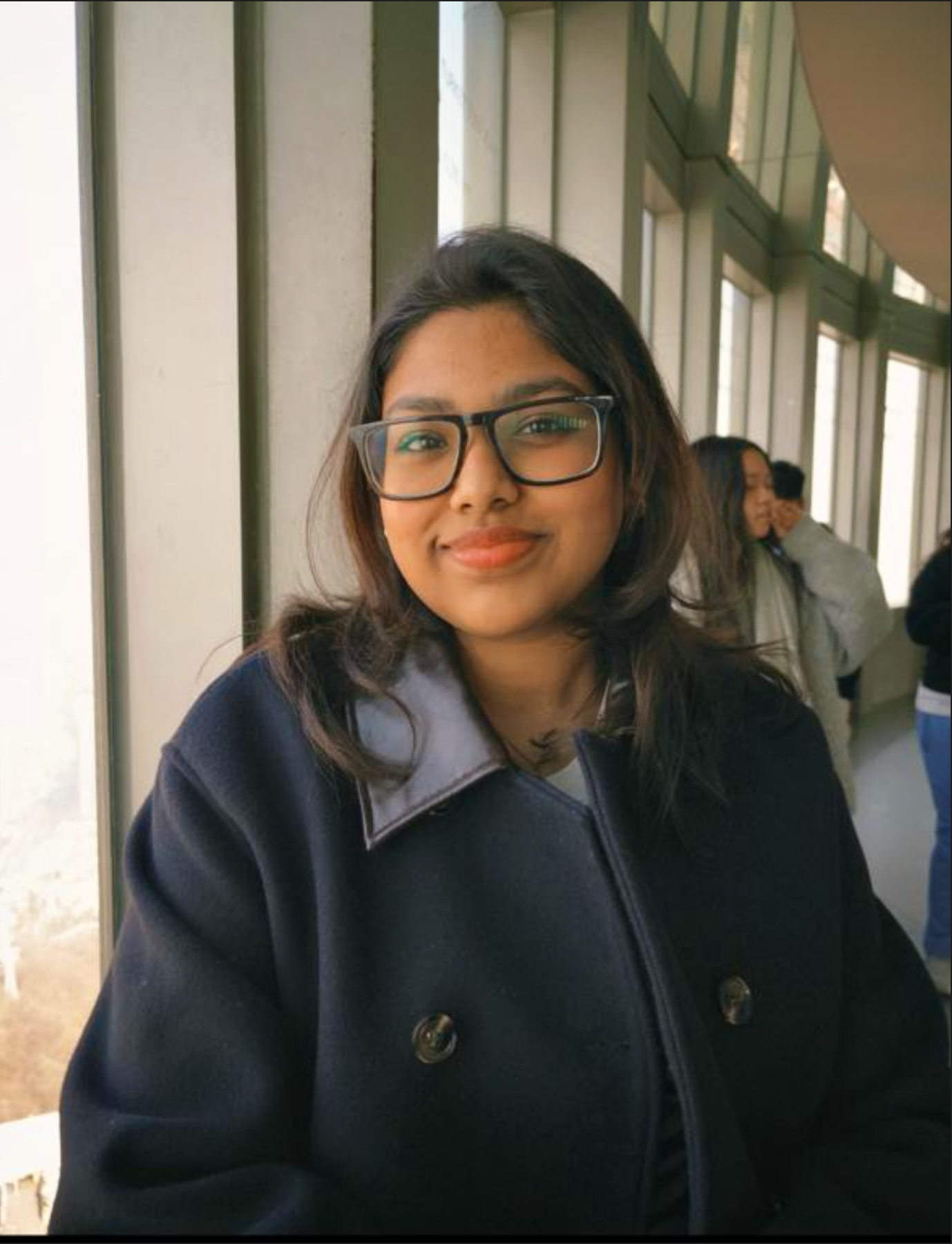
I started Project Uron after noticing how much of what decides a child’s future sits outside the syllabus. Children finish school able to pass an exam, but never having been shown how saving works, what borrowing really costs, or how a small idea can grow into something that supports a household.
So I built the thing I wished had existed. I write the curriculum and sequence the three pillars for each age group, reach out to the schools and NGOs we partner with, and bring in the students and young professionals who run each session — people close enough in age to be believed, and close enough to the material to teach it well.
That has grown into workshops for more than 600 children across 8 schools and NGOs, delivered by over 40 volunteers. It is still run alongside full-time study, and there is far more to do. If any of this sounds like something you want to be part of, I would genuinely like to hear from you.
Zaviaa Hayat, Founder
Questions we get asked most
Still unsure about something? Send us a note further down the page.
Get in touch
Whether you want to host a programme at your school or centre, volunteer as a facilitator, or partner with us — tell us a little about yourself and we will come back to you.
Volunteer with us
Students and young professionals — no teaching experience needed.